
If a wine is dry, it's lower in sugar. If it tastes sweet, it has more. That's it.
Once you know that, everything becomes a lot easier.
Breaking it down by type
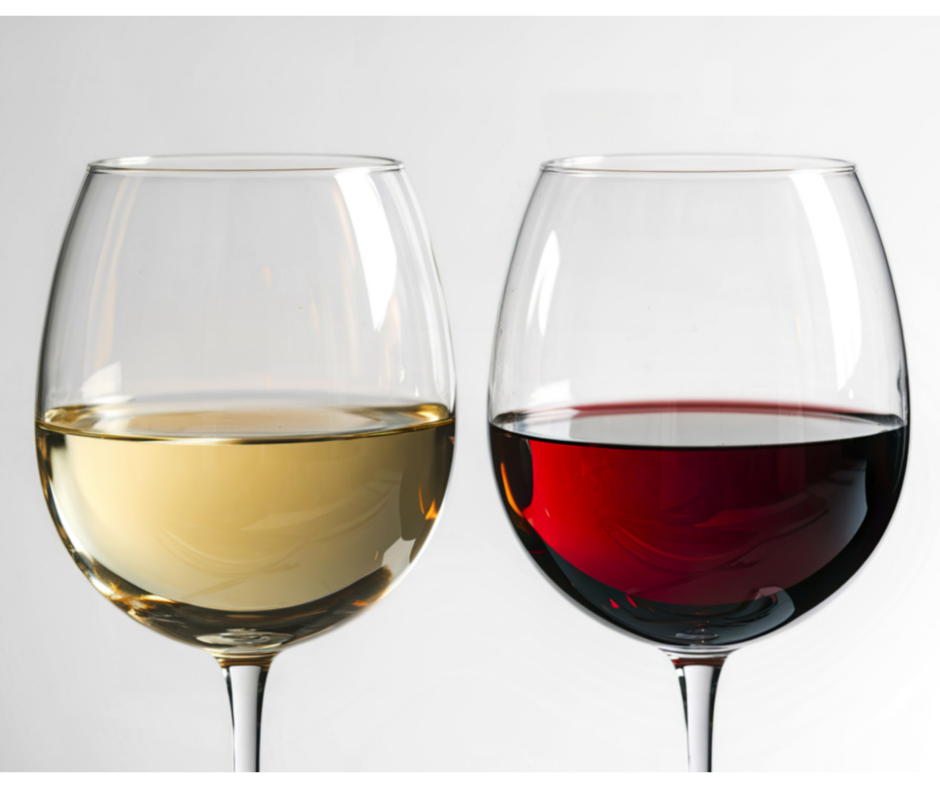
If you usually reach for white wine, the lighter, crisper ones tend to be your best bet. Sauvignon Blanc and Pinot Grigio are always safe, and even a Chardonnay can be a good option as long as it isn't overly sweet. These are the kinds of wines that feel clean and refreshing, not heavy.
Where people get tripped up is with wines that sound light but are actually sweet — Moscato is the big one, and a lot of Rieslings fall into that category too unless they're labeled dry. They taste easy, but they're carrying more sugar than you think. And that's why your head hurts the next day or your stomach is having a fun morning.
Rosé is a little bit of both — it can be dry or sweet depending on the bottle. The easiest way to tell? If it tastes like candy or fruit punch, it's on the sweeter side. If it tastes more crisp and refreshing, you're in good shape. A dry rosé is actually one of the better choices if you're watching sugar — just look for ones that don't taste sweet when you sip them.
Red wine is a little more forgiving. Most reds — like Pinot Noir, Cabernet, or Merlot — are naturally dry, which means they're already lower in sugar without you having to think about it too much. If you prefer red, you're kind of already in a good spot.
If you see "brut," that means it's dry. And dry sparkling wines are usually one of the lighter options you can choose. If it leans sweeter — you'll notice it right away — and that's where the sugar starts to add up.
Low sugar doesn't mean low calorie — but it's still the smarter move.
Low sugar doesn't mean low calorie
The only thing to keep in mind is that "lower sugar" doesn't mean wine suddenly becomes low calorie overall. Alcohol itself has calories, so this isn't about turning wine into something it's not. It's just about avoiding the extra sweetness that doesn't need to be there.
If you're thinking more about calories, the easiest way to keep it light is to stay with dry, lower-alcohol wines. It's not about finding a "diet wine" — it's just choosing styles that are naturally a little lighter. And those usually taste better anyway.
The best of both worlds
One of the lowest sugar whites. Lighter and lower alcohol means generally fewer calories too.
Naturally low sugar, lighter body. Generally fewer calories than heavier reds.
"Brut" = very low sugar. Sparkling tends to be lighter overall. Champagne works the same way.
Usually low sugar and lighter calorie-wise than most wines. If it doesn't taste sweet, you're good.
Come find us on Instagram and keep the conversation going — we're at @fishoutofwine_ 🍷